
Observations,
Not Opinions
We don't ask people what they think of your website. We watch them use it, and find exactly where clarity breaks down.
Last updated: March 2026
The Faster Horses Problem
Henry Ford famously said that if he had asked people what they wanted, they would have said faster horses. He was right. People are unreliable narrators of their own desires.
So why would we test your website with real people?
Because we are not asking for their opinion. We are observing them. There is a meaningful difference between asking someone “Do you like this website?” and watching them struggle to find the signup button. One gives you a feeling. The other gives you a fact.
Design is intentional. You built your landing page to convey a specific message, guide a specific action, and earn a specific kind of trust. Our job is to find out whether that intention is landing or getting lost somewhere between your headline and your call to action.
We Find Your Actual Customers
Before anything starts, we learn about your audience. Not just demographics. We dig into what they care about, what they are looking for, and what stage of decision-making matters for your product.
Then we screen. Carefully.
Say you sell laptop devices. It is uncommon for someone to buy a laptop every week or even every month. It happens every few years. So we do not just find people who could buy a laptop. We find people who are actively looking to buy one right now. That is the difference between a warm body and a real signal.
This screening step is what separates useful research from noise. You get reactions from people who would genuinely land on your site through a search, an ad, or a recommendation, not from someone doing you a favour.
Why Analytics Won't Tell You This
Your dashboard will tell you that 68% of visitors drop off after the pricing section. It will show you that a button gets clicked 12% of the time. It will give you a number for everything.
What it will never give you is the why.
“I don't understand the condition of the device they are selling. That makes me not trust this enough to buy.”
Participant, Black Mint diagnosis
In your analytics, this person is just another drop-off. A line on a chart. But in reality, there was a very specific trust barrier that your page failed to address, and once you know what it is, fixing it is straightforward.
That is what observation gives you that dashboards cannot. Not just where people leave, but what made them decide to.
What You Get
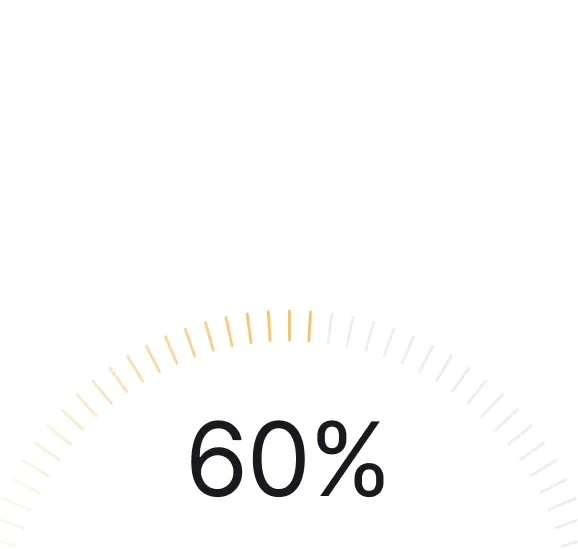
Clarity Score
A measure of how your website performs as a first impression. Do people instantly understand what you do, who it is for, and what to do next, or does confusion set in before they scroll?
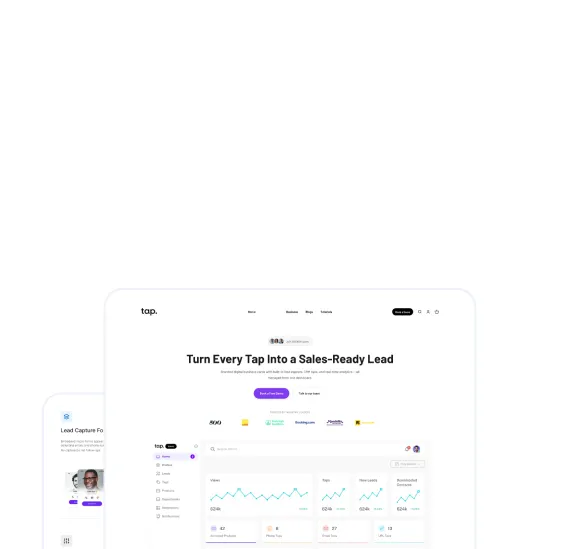
Section Breakdown
Every section of your page, examined one by one. What users noticed, what they skipped, what confused them, and what built or broke trust, backed by direct observations.
Recommendations
Specific, prioritised changes. Some are messaging shifts. Some are design adjustments to direct attention. Some are simplifications, removing what is getting in the way.
Delivered in 48 Hours
In the first 12 hours, we recruit and screen participants while planning your diagnosis. Results come in within the next 6 hours. The remaining 30 hours go into analysis, identifying patterns, calculating your Clarity Score, and packaging everything into a clear, actionable report.
What This Cannot Do for You
Clarity matters, but it is not everything. In the interest of being honest about scope, here is where a Qoots diagnosis ends and your work begins.
It will not fix a product that people do not need. If the market is not there, no amount of clarity will manufacture demand.
It will not replace your product strategy. We diagnose how well your message lands. We do not decide what your message should be.
It will not implement the changes. You get the what, the why, and the how, but execution is on your team or your designers.
It will not help if you have no traffic. You need real visitors for clearer messaging to translate into real results.
It is not ongoing optimisation. This is a diagnosis. A sharp, focused snapshot. Not a retainer.

Stop Guessing.
Start Knowing.
See exactly what a Qoots diagnosis looks like, and what it found for a real product.